Your facility needs regular sanitation protocols tailored to unique hazards, processing volumes, food allergens, and regulatory visits, with verifiable documentation validating HACCP requirements, compliance audits, and public health regulations. The details below give guidance on sanitation program requirements.
Key Takeaways
- Sanitation technicians in Brampton cater to restaurants, grocery departments, commissaries, warehouses, bakeries, schools, mobile vendors, and allergen-sensitive operations.
- Frequently contacted areas, food-contact equipment, kitchens, floors, drains, restrooms, and storage areas are disinfected using zone-based workflows to reduce cross-contamination.
- Qualified providers validate approved sanitizer dilution, compatibility, and contact time, then record conclusion with tests, inspections, and action records.
- Risk, production rate, format changes, accidents, and regulations need to shape hygiene plans, with everyday, weekly, and periodic duties distributed by zone.
- Vendors should exhibit HACCP, sanitation knowledge, safety training training, liability, references, color-categorized tools, and inspection-ready maintenance documentation.
Food Safety Cleaning Requirements for Brampton Establishments
Food safety cleaning is essential for any Brampton facility that deals with, keeps, prepares, packages, or provides food. Apply it to your establishment if it meets the criteria for health inspections, food codes, or HACCP requirements. This includes restaurants, cafeterias, commissaries, grocery food departments, butcher shops, seafood counters, convenience stores, and institutional kitchens.
Proper hygiene protocols is needed in distribution centers, manufacturing facilities, cold storage areas, bakery retailers, educational meal programs, banquet venues, and meal delivery services. Temporary mobile establishments matter as well, like mobile kitchens, market vendors, and seasonal booths. Your venue needs written cleaning standards when your team process ingredients, portion ready-to-eat items, reheat products, or store allergens. In Brampton, hygiene is not optional; it forms part of statutory, functional, and public health adherence.
What Services Do Brampton Cleaning Experts Provide?
Professional cleaning teams specializing in Brampton sanitize touched surfaces, kitchen facilities, floors, and sanitary facilities to satisfy food safety standards and health requirements. Emphasis on these spaces stems from extreme cross-contamination risk, injury hazards, and possible regulatory violations.
Understanding their cleaning procedures enables you to validate your operation's sanitation satisfies required standards and regulations.
Important High-Touch Surface Sterilization
implement a sanitizing plan
through rotating wipes, implementing directional systems, and organizing disinfection tools organized according to area
Kitchens, Floors, and Restrooms
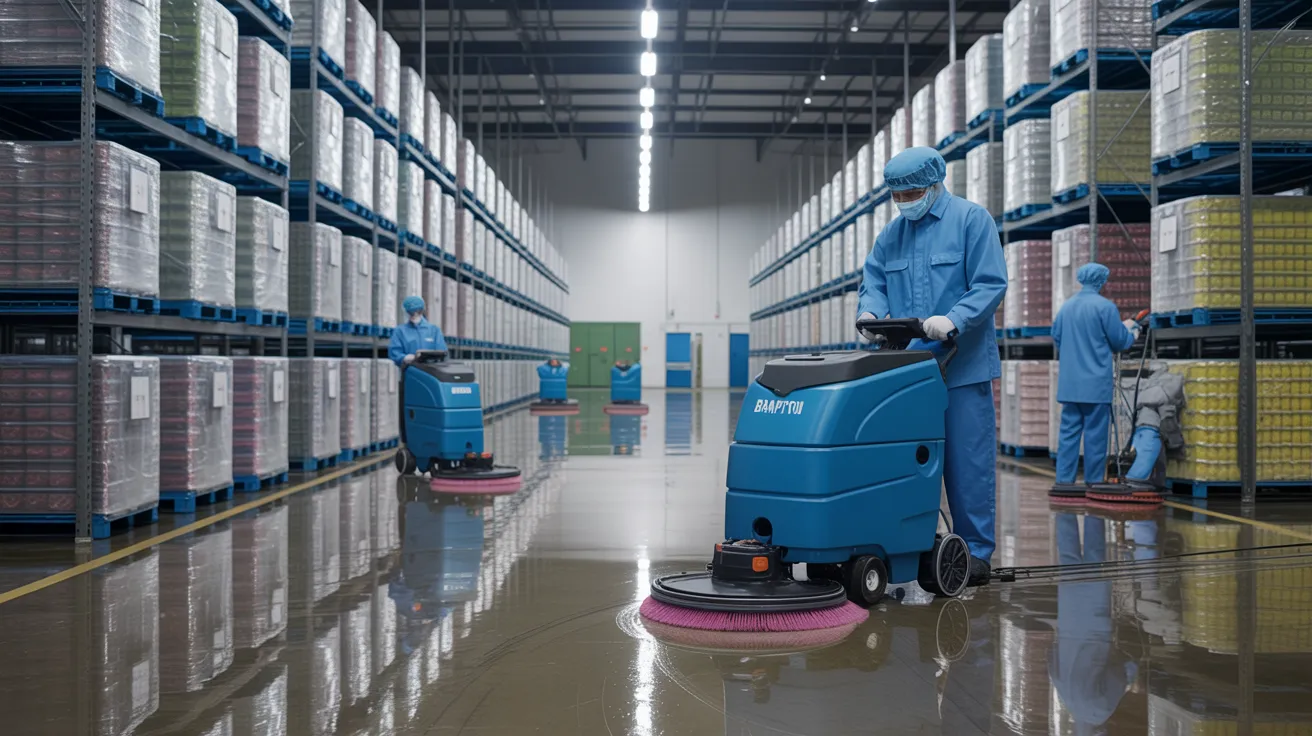
Brampton cleaning professionals will handle kitchens, floors, and restrooms since each space presents different hygiene concerns, injury, and community health challenges. In industrial kitchens, you need degreasing on cook lines, equipment exteriors, drains, prep surfaces, and splash zones to reduce bacterial growth and pest activity.
Professional floor upkeep with documentation is also included. is likewise provided as part of the service.
Restroom sanitation requires decontaminating touch areas, bathroom equipment, stall barriers, supply stations, and bins, restocking supplies and controlling odours. They also service restaurant moprooms, where chemical storage, sink hygiene, and drainage conditions can affect sanitation compliance and staff safety daily.
The Importance of Food Safety Cleaning in Brampton
In Brampton, you must copyright food-safe cleaning standards to meet regulatory standards and pass inspections. You also reduce cross-contamination by cleaning and sanitizing food-contact surfaces, equipment, and high-touch areas correctly. Most importantly, you safeguard public health by lowering the risk of foodborne illness in your facility.
Regulatory Code Requirements
Food establishments in Brampton face stringent health requirements, making food safety cleaning vital to satisfying health code requirements, ensuring the safety of patrons, and avoiding enforcement action. You must maintain clean food preparation areas, written maintenance records, proper chemical use, and traceable training practices that comply with municipal and provincial inspection expectations.
Failure to maintain cleaning standards leads to infractions, corrective orders, brand harm, and temporary closure during follow-up inspections or enforcement actions.
Cross-Contamination Prevention
Meeting health code standards also depends on your capacity to stop cross-contamination during daily food handling and cleaning. You must separate raw ingredients from ready-to-eat foods, sanitize prep surfaces between tasks, and store chemicals away from food-contact items. Established guidelines minimize contamination chances and ensure ongoing adherence to health checks.
Implementing allergen separation helps ensure major allergens don't touch shared surfaces, containers, or equipment. Utilize separate boards, color-labeled items, and strict utensil labeling so workers don't combine products during preparation or service. Require handwashing after handling fresh proteins, aquatic items, egg products, or allergen materials. Refresh cleaning cloths often, and validate disinfectant levels using test strips. When you train staff to follow these controls per shift, you create a cleaner, safer operation that satisfies Brampton's food safety needs daily.
Public Health Defense
When sanitation efforts deteriorate, you don't only risk a failed inspection—you expand the chance of foodborne illness affecting customers, staff, and the larger Brampton community. You also weaken your role in safeguarding community wellness, especially in busy food facilities where contamination can spread quickly through surfaces, equipment, and touchpoints.
You depend on sanitation protocols that remove soils, properly disinfect, and ensure effectiveness. This involves maintaining exposure times, utilizing authorized sanitizers, maintaining records, and coaching staff to fulfill health-unit expectations. These actions support pathogen control by reducing microbes before affecting food surfaces or hands. In Brampton, effective cleaning protects at-risk groups, curtails outbreak likelihood, and proves your diligence. When you adhere to proper protocols, you exceed requirements—you meaningfully lower danger and promote secure food service throughout the city.
In What Ways Does Cleaning Help Achieve Food Safety Compliance?
Rigorous cleaning routines promote food safety compliance by reducing contamination risks, managing pathogen expansion, and keeping your facility aligned with sanitation requirements under HACCP-based programs and public health regulations. You verify that product-contact areas stay visibly clean and microbiologically controlled, facilitating documented preventive controls and inspection readiness.
Conscientious cleaning further strengthens allergen control by extracting residues that can lead to undeclared allergen exposure. When you pair established sanitation practices with safety training, your staff can implement consistent approaches, handle approved chemicals appropriately, update records thoroughly, and handle irregularities in advance of issues intensify. Ongoing cleaning enables audit trails, validates remedial measures, and exhibits due diligence in audits. Moreover, it supports you protect quality assurance, copyright regulatory compliance, and reduce the chances of enforcement actions, market recalls, complaints, and unnecessary health dangers.
When Should You Arrange Commercial Cleaning?
Cleaning routines are most effective when you set them according to risk factors, production rates, and legal standards rather than depending on a fixed calendar alone.
facility closures, seasonal-related soil accumulation, or pest-related pressure windows.
Finding Quality Brampton Cleaning Experts: A Guide
Screen providers initially by their food-safe sanitation requirements—not budget alone. You need to verify that every company meets CFIA, public health, and HACCP standards for your operation. Demand proof of insurance, WHMIS compliance, training records, and management systems. Evaluate technician understanding of cross-contamination risks, chemical safety, and documented sanitation practices.
You should also assess business dependability and accountability. Request references from food facilities in Brampton, then examine response times, corrective-action procedures, and communication standards. Confirm the company supports supplier audits and can present inspection-ready documentation when regulators or third parties request evidence. Check whether equipment maintenance is performed, color-coded implements are used appropriately, and facility-specific risks are recognized. A qualified provider protects compliance, product quality, and your brand reputation.
What does a Food Safety Cleaning Plan consist of?
Create a written plan that clearly outlines every sanitation duty, guideline, and expectation before production starts. You should list cleaning frequencies, approved chemicals, dilution rates, contact times, tools, and verification methods for each zone, surface, and piece of equipment. Don't forget to add pre-operational inspections, corrective actions, and employee training requirements.
Your program should also cover cross-contamination controls, waste handling, pest-prevention measures, and documented schedules for bathrooms, drainage systems, surfaces, and food-preparation zones. Detail how you'll keep raw and prepared foods apart, support ingredient tracking, and ensure accurate allergen labeling through validated cleaning between product changes. You should designate accountability, keep signed records, and review results against regulatory standards, HACCP controls, and customer requirements. When gaps appear, revise procedures immediately and retrain staff.
Regular Posed Questions
Do sanitation providers work during overnight shifts at Brampton properties?
Yes, you can schedule cleaning services to accommodate overnight shifts in Brampton facilities. You'll arrange nighttime cleaning around production windows, security measures, and personnel needs. Services generally outline overnight procedures to minimize interruption, maintain compliance, and document completed tasks. You should verify arrival timeframes, oversight, access protocols, and disposal methods before service begins.
Will Brampton cleaning experts respond to hazardous incidents?
Yes, you can find many Brampton sanitation professionals who provide emergency spill additional article response solutions. They handle contamination, evaluate dangers, contain contamination, and begin swift cleanup to minimize risk and prevent business interruption. You should confirm response times, training certifications, safety procedures, and disposal procedures. If your facility must comply with industry standards, choose a provider that records events, follows compliant standards, and supports audit readiness.
Are plant-based disinfectants appropriate for food-handling equipment?
Absolutely, plant-based sanitizers can be suitable for food-handling equipment when you select disinfectants approved for food contact and regulatory compliant. You must confirm exposure duration, dilution rates, and rinse procedures in advance of use. Natural-based solutions lower chemical burden, though you require confirmation of performance against target microorganisms. For ensuring residue-free conditions, follow precise manufacturer instructions and confirm your disinfectant satisfies applicable food industry sanitation standards.
Do sanitation programs allow for production fluctuations?
Certainly, cleaning plans adapt to seasonal variations readily. Revise frequencies, staff levels, disinfectants, and validation steps to fit with seasonal workflows while sustaining regulatory adherence. Limit operational delays by organizing cleaning amid line changes, peak seasons, and equipment use patterns. Additionally modify written procedures, employee training, and monitoring protocols to capture periodic risks, new allergens, or increased soil loads. Ongoing evaluations ensure the schedule efficient.
Do commercial cleaning providers instruct staff members in proper hygiene techniques?
Absolutely, commercial cleaners regularly deliver employee education on hygiene standards. Your staff gets training on proper chemical use, contact times, cross-contamination prevention, equipment disassembly, and paperwork. They typically align guidance with HACCP, GMP, and CFIA or local public health standards. Many also perform health inspections to verify compliance, identify gaps, and reinforce corrective actions. This enables you to sustain consistent procedures, pass inspections, and lower contamination dangers routinely.
Conclusion
By collaborating with Brampton commercial cleaning and food safety professionals, you aren't simply tidying—you keep your operation inspection-ready and your practices in compliance. From kitchens to processing floors, every clean surface and organized space reduces pest risk and avoids expensive losses. By scheduling cleanings at appropriate intervals and following a documented cleaning plan, you secure staff members, customers, and your credibility. In a strictly regulated industry, hygienic conditions must be prioritized—they're key to business compliance.